

Add preferred source
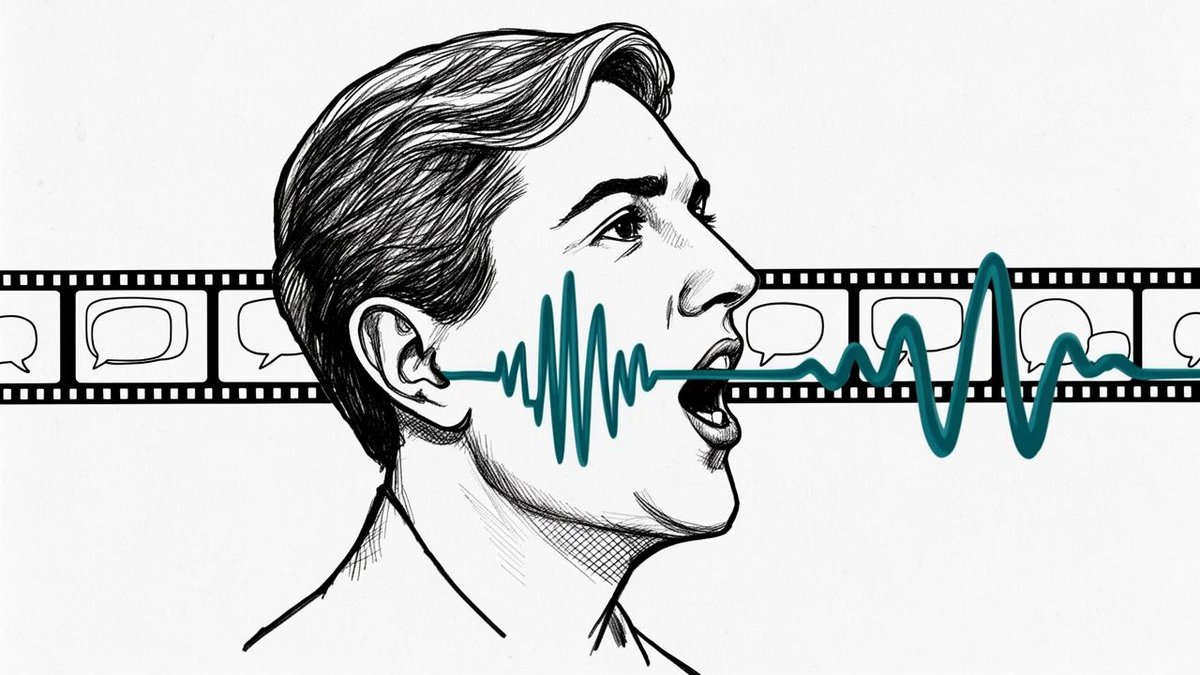
Amazon’s Prime Video has launched an AI-powered feature that adjusts actors’ lip movements to match English dubbed audio, debuting on the German series Maxton Hall. The technology combines AI with visual-effects tools and works alongside human-recorded dubbing, modifying the video itself rather than replacing voice actors. The feature is available globally for the show’s first two seasons and will be included with the third season premiering December 9th. Prime Video previously tested AI-assisted dubbing across 12 titles in English and Spanish. The company plans to expand lip-synced dubbing to additional titles but has not specified which ones. The move places Amazon in competition with Meta and YouTube, which offer similar AI dubbing tools for creators, though Amazon’s approach retains human voice actors for scripted content.
Key Elements
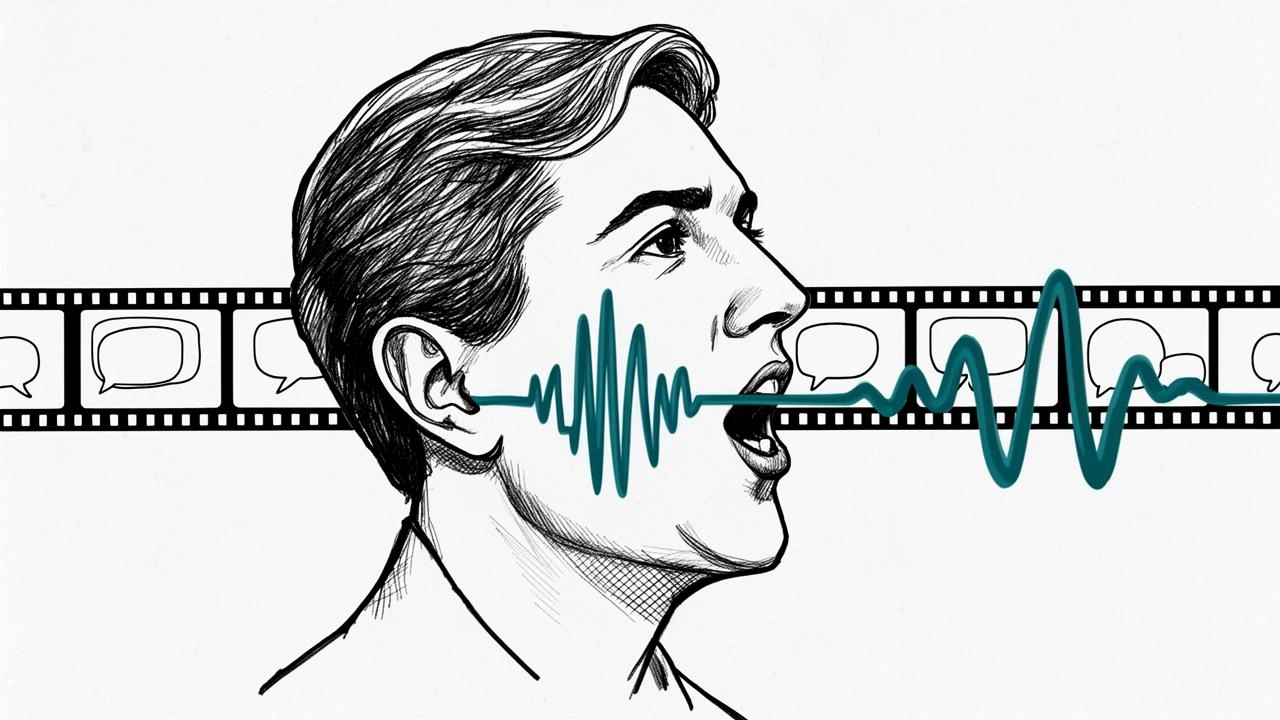
Amazon is betting that artificial intelligence can make foreign-language shows feel less foreign. The company’s Prime Video streaming service has begun rolling out a feature that adjusts actors’ lip movements to match English dubbed dialogue, starting with its most-watched international original series, the German romance Maxton Hall.
The technology, which pairs AI with visual-effects tools, is now available worldwide for the show’s first two seasons and will be included when the third and final season premieres on December 9th. Unlike earlier experiments that focused only on audio translation, this rollout alters the video itself so that on-screen mouths align with the human-recorded English dub.
Prime Video said the process works alongside traditional dubbing. After dialogue is translated and recorded by human voice actors, AI and VFX tools adjust the original performers’ lip movements to match the new audio. The company did not disclose how much of the workflow is automated or which specific AI systems power it.
Raf Soltanovich, vice president of technology at Prime Video and Amazon MGM Studios, framed the feature as a win for both audiences and creators. “With lip-syncing, we’re creating a more seamless and immersive way for customers to enjoy global content,” he said in a statement. “And for creators, we’re making it easier for their stories to reach an even broader and global audience, all done under creative oversight to ensure the integrity of their artistic vision is preserved.”
The rollout marks an escalation from Prime Video’s earlier testing. Last year, the platform experimented with AI-assisted dubbing across 12 movies and series in English and Spanish, including El Cid: La Leyenda, Mi Mamá Lora, and Long Lost. Those tests focused on translated audio; the Maxton Hall release goes further by modifying the picture.
Maxton Hall is a high-profile test case for Amazon. The series, based on Mona Kasten’s 2018 novel Save Me, ranks as Prime Video’s most-watched international original. Its third season is expected to draw significant viewership when it arrives in early December.
Amazon is entering a competitive arena. Meta and YouTube have both introduced AI dubbing features that translate creator videos into other languages, with optional lip-sync settings designed to make translated speech look more natural. But Amazon’s approach differs in one key respect: it is applying the technology to a scripted series while retaining human voice actors, rather than substituting automated voices.
The company has not said which titles will receive lip-synced dubbing next, nor has it offered a timeline for broader availability. For now, Maxton Hall serves as the sole showcase for what Amazon hopes will become a standard tool for making global content more accessible to English-speaking audiences.
Once added, BigGo Finance appears first in Google Search Top Stories, so you get the broadest, most up-to-the-minute, and most comprehensive global financial news first.
